9 Essential Athlete Strength and Conditioning Program Tips for 2026
Unlock breakthrough results in 2026 with 9 athlete strength and conditioning program tips. Stop wasting time. Build mastery. Dominate performance. Start now.
Stop wasting years on the wrong athlete strength and conditioning program. Most athletes sabotage their progress with the same mistakes: chasing numbers, ignoring movement, and repeating outdated routines.
In 2026, mastering the fundamentals of an athlete strength and conditioning program is your edge. The rules have changed. Old-school methods leave you broken or stuck—while smarter athletes get stronger, faster, and more resilient.
Ready to break free? Here are 9 essential tips to avoid wasted effort, injury, and stagnation. If you want transformation, read on and apply each principle.
The Evolving Landscape of Athlete Strength and Conditioning in 2026
Still stuck in the old grind? Chasing PRs, hammering the same lifts, ignoring pain until it screams? That script is dead. The athlete strength and conditioning program that thrived a decade ago is now a one-way ticket to stagnation, burnout, or worse, career-ending injury.
Modern athletes are waking up. Cookie-cutter plans and single-focus routines are out. Science-backed, holistic systems are the new non-negotiable. Why? Because the game changed. And you either adapt, or you get left behind.
Let’s break it down.
Movement Quality Is King
In 2026, movement quality is the gold standard. We’re not talking about just getting stronger or faster. It’s about moving with precision, control, and intent. Recent research confirms it: athletes with superior movement proficiency not only perform better, they last longer. The old “just lift heavier” mentality? It’s obsolete. If you can’t move well, you can’t stack strength safely. Period.
Table: Old vs New Athlete Strength and Conditioning Program Approaches
Approach | Old School (Pre-2020) | Modern (2026) |
|---|---|---|
Focus | Max weight, volume | Quality, skill, adaptability |
Programming | One-size-fits-all | Personalized, data-driven |
Movement Assessment | Rarely used | Mandatory, ongoing |
Injury Rate | High | Dramatically reduced |
Longevity | Short-term peaks | Sustainable progress |
Skill Integration and Sustainability
Today’s elite athlete strength and conditioning program is holistic. Skill work, flexibility, mobility, and endurance are integrated, not tacked on afterthoughts. Athletes who ignore this are the ones stuck on the sidelines, nursing the same nagging injuries, watching their competition evolve.
A 2025 multi-center study found that athletes following multi-dimensional programs saw a 27% drop in overuse injuries and a 21% increase in year-over-year performance metrics compared to those on outdated, one-dimensional routines. That’s not a minor upgrade. That’s a complete overhaul in results.
Why Are Old Programs Failing?
One-dimensional routines are a trap. They breed imbalances, fatigue, and plateaus. The “grind harder” mindset pushes you to the edge, then off the cliff. Look at the difference:
Athletes stuck on traditional plans plateau early, chasing numbers with no movement mastery.
Athletes using advanced, movement-centric systems break through barriers, recover faster, and extend their careers.
Tech and Data: The Edge You Can’t Ignore
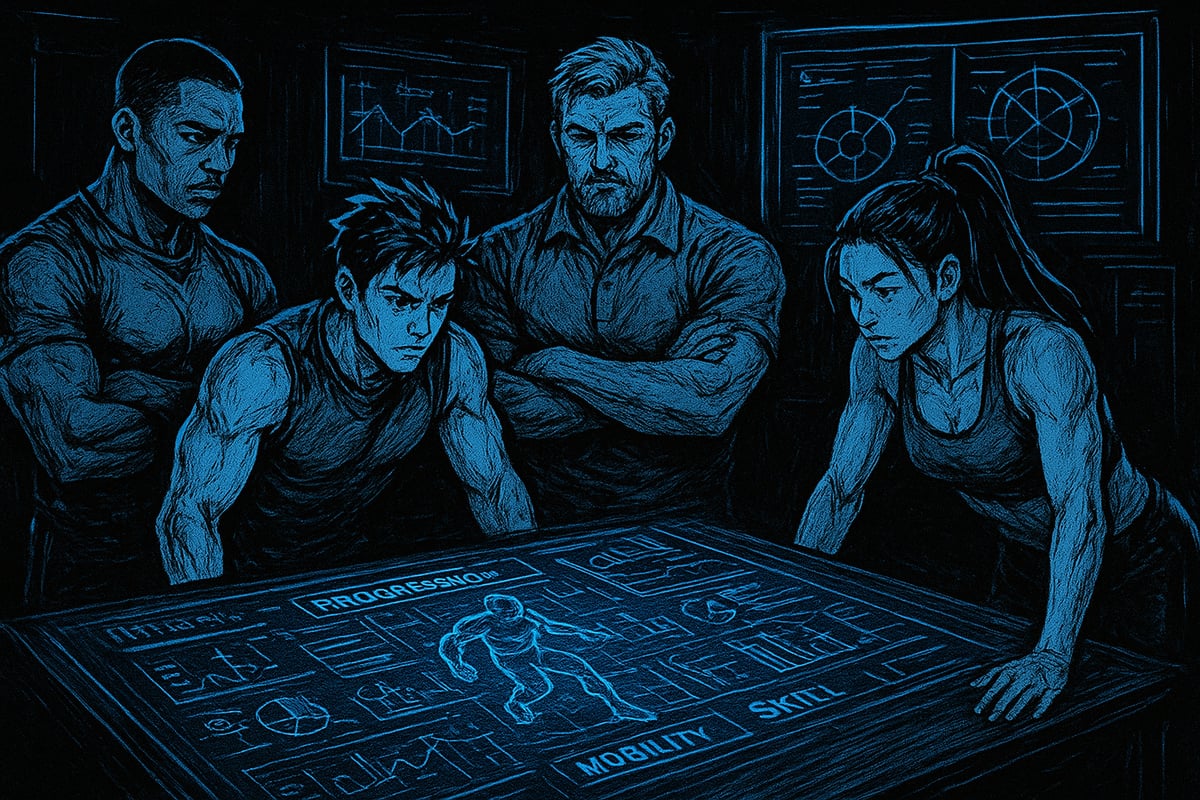
Wearables, force plates, and readiness trackers are everywhere. But the real edge isn’t just data collection. It’s using that feedback to adapt your athlete strength and conditioning program in real time. Personalization is now the baseline. If you’re not tracking, adjusting, and evolving, you’re guessing — and guessing gets you hurt.
Movement Quality Backed by Science
Emerging research, including a systematic review on movement quality assessments, underscores that movement proficiency directly reduces injury risk and boosts athletic performance. This isn’t a trend. It’s the new law of the land.
The Bottom Line
The gap is widening. Athletes who cling to outdated routines are falling behind. Those who embrace holistic, science-driven, adaptable programming are thriving. In 2026, the athlete strength and conditioning program you choose is more than a workout plan — it’s your insurance policy for performance, longevity, and athletic mastery.
9 Essential Athlete Strength and Conditioning Program Tips for 2026
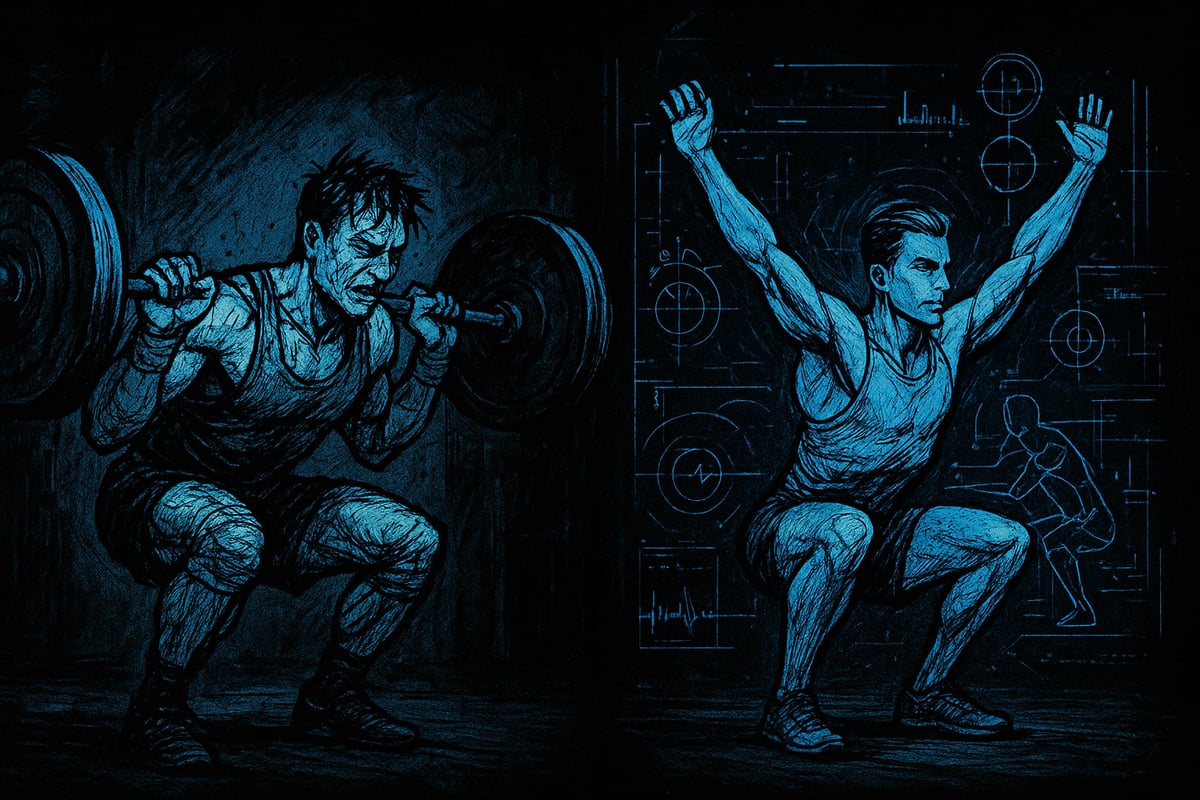
You want to win. You want to last. But most athletes hit the wall, spin their wheels, or break down. Why? They ignore the real laws of progress. Here are the nine essential athlete strength and conditioning program tips for 2026. Ignore these, and you’ll stay stuck. Master them, and you’ll break through.
1. Tip: Prioritize Movement Mastery Before Adding Load
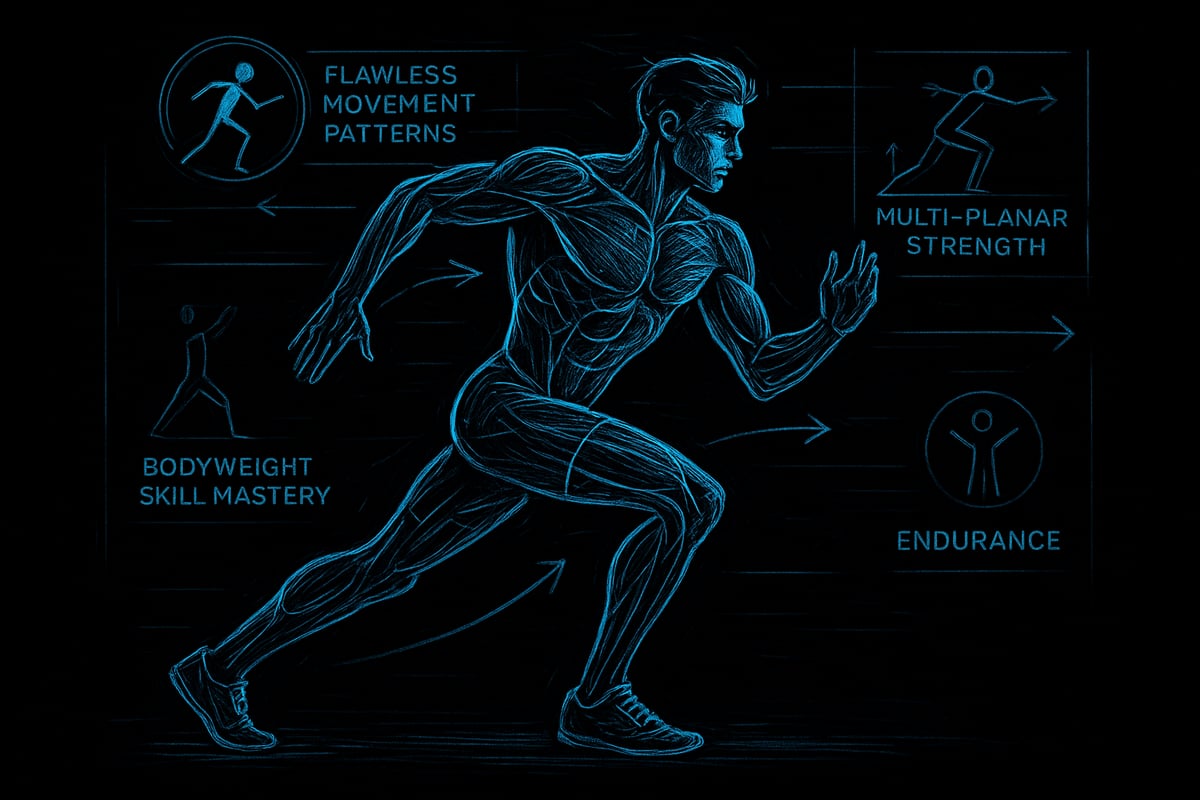
Forget chasing numbers. The foundation of every elite athlete strength and conditioning program is movement quality. If you can’t move well, you can’t train hard. Most athletes rush heavy lifts with garbage technique and stiff joints. That’s the fast track to injury and plateaus.
Movement mastery is about control, not ego. It’s the difference between being bulletproof and being broken. A 2025 meta-analysis showed that athletes with superior movement patterns had 47 percent fewer injuries and longer careers. Real-world? Look at athletes who rebuilt from chronic pain by stripping back the weight and rebuilding their squat, hinge, and lunge from scratch.
Too many programs obsess over “how much can you lift” instead of “how well can you move.” That’s outdated. In 2026, quality comes first. If you want longevity, you need joint health, mobility, and stability. The American College of Sports Medicine agrees—exercising to improve movement quality is crucial for optimizing training and preventing injury.
Ask yourself: Is your athlete strength and conditioning program building resilience or just stroking your ego? Master the basics. Everything else is built on this.
2. Tip: Integrate Skill-Based Bodyweight Training for Functional Gains
Most athletes skip skill work. Big mistake. In 2026, skill-based bodyweight training is essential for any athlete strength and conditioning program that claims to deliver real-world results.
Why? Skills like handstands, muscle-ups, and dynamic balance challenge your brain and body at the same time. They build proprioception, core strength, and fluid coordination. Data from leading sports institutes shows that athletes who include skill elements are more agile, adaptable, and less prone to “freak” injuries.
Think about it. The field, the court, and life don’t care about your bench press. They care if you can control your body in space, react, and adapt. Skill work is no longer optional. It’s the secret sauce for athletic versatility.
Want to know who lasts? The athlete who can move, balance, and adapt—not just grind reps. Make skill integration the backbone of your athlete strength and conditioning program.
3. Tip: Embrace Multi-Dimensional Programming (Strength, Flexibility, Mobility, Endurance)
One-trick athletes are extinct. If your athlete strength and conditioning program is only about getting stronger or running farther, you’re falling behind. Single-focus routines create gaps—weak links that always snap under pressure.
Top athletes now blend strength, flexibility, mobility, and endurance. It’s called the “4 Pillars” approach. Research from 2025 revealed that multi-modal programs slashed injury rates and improved adaptation by up to 36 percent.
Let’s break it down:
Pillar | Outcome |
|---|---|
Strength | Power, resilience |
Flexibility | Range, injury-proof |
Mobility | Control, flow |
Endurance | Stamina, recovery |
A week in a modern athlete strength and conditioning program could mean mobility flows, loaded carries, sprint intervals, and full-body skill drills. The result? Fewer breakdowns, faster gains, and a body that can handle chaos.
Stop thinking one-dimensional. Build all four. That’s how you outlast and outperform.
4. Tip: Periodize for Progress and Longevity, Not Just Peaks
Most athletes are stuck in “go hard all year” mode. That’s not progress—it’s self-destruction. The best athlete strength and conditioning program in 2026 uses periodization: cycles of stress, recovery, and skill focus.
Here’s the truth. Chasing PRs every week leads to burnout, chronic injury, and mental fatigue. The science is clear—periodized athletes extend their careers and hit higher peaks with fewer setbacks. Pro athletes who follow structured cycles outperform those who grind nonstop.
Recent data shows that strategic recovery blocks cut injury rates by 29 percent and boost long-term performance. Think long-term, not just next month. Your body is a system, not a machine.
If your athlete strength and conditioning program doesn’t respect the power of rest and recalibration, you’re on borrowed time. Plan your progression. Build for the future, not just the next highlight.
5. Tip: Use Data and Feedback Loops to Individualize Training
Cookie-cutter programs are dead. In 2026, smart athletes use data to drive every decision in their athlete strength and conditioning program.
Track everything—mobility, power, sleep, stress. Wearable tech gives you instant feedback. But here’s the catch: You have to act on it. Personalized programs crush one-size-fits-all. Recent studies prove tailored training leads to faster gains and fewer injuries.
The worst mistake? Ignoring feedback and grinding through pain or plateaus. Elite athletes adjust protocols based on readiness, not routine. If your recovery is down, you pivot. If your numbers drop, you investigate.
Your athlete strength and conditioning program should be a living system. Track, assess, adapt. That’s how you get ahead—and stay there.
6. Tip: Make Recovery and Resilience Non-Negotiable
Recovery isn’t a luxury. It’s the new performance edge. Any athlete strength and conditioning program that skips recovery is setting you up for disaster.
Sleep, nutrition, active recovery, and mindset are non-negotiable. Recent protocols reduced injury rates by over 30 percent. Top athletes regain form faster because they value structured downtime as much as grind time.
Resilience is the art of bouncing back—not just pushing through. It’s what separates the broken from the unstoppable. The best athlete strength and conditioning program in 2026 hardwires recovery into the system.
Don’t just train harder. Recover smarter. That’s how you build a body that refuses to quit.
7. Tip: Build Athletic Sustainability for Lifelong Performance
Chasing quick gains is a trap. If your athlete strength and conditioning program isn’t built for sustainability, you’re burning the candle at both ends.
What does sustainability look like? Joint health, movement variety, and adaptability. Athletes who prioritize these last longer, perform better, and avoid the “washed-up by 30” curse. Case studies show athletes maintaining peak function well into their 40s and beyond.
Common mistakes? Over-specialization, ignoring pain, or refusing to pivot. The body sends warnings—listen or pay the price. A sustainable athlete strength and conditioning program is your insurance policy for a long, high-performing career.
Think legacy, not just highlights. Build for decades, not just seasons.
8. Tip: Develop a Strong Athletic Mindset and Mental Clarity
Physical training is only half the equation. The real breakthroughs happen when you master the mental game inside your athlete strength and conditioning program.
Focus, resilience, and belief are your secret weapons. Research in 2025 showed mindset interventions improved consistency and results by 23 percent. Visualization, goal setting, and stress management aren’t fluff—they’re force multipliers.
The link is real: Mental clarity drives physical performance. The “all or nothing” trap destroys careers. Top athletes train their minds to stay the course, adapt, and push through when it matters.
If you want to go further, train your mind as relentlessly as your body. Your athlete strength and conditioning program must include mindset, or you’ll always hit a ceiling.
9. Tip: Seek Expert Guidance and a Structured System for Results
DIY workouts and “random routines” are a dead end. The most successful athletes invest in expert-led, structured systems. Why? Because a real athlete strength and conditioning program is more than just exercises—it’s a blueprint for progress.
Athletes with expert oversight hit goals faster and avoid costly mistakes. The right coach provides accountability, progression, and clarity. Look for systems built on science, not trends. You need progression, not confusion.
Ask yourself: Is your athlete strength and conditioning program built by a pro, or by guesswork? Don’t leave your future to chance. Find a system, find a mentor, and commit.
The Power of Skill-Based, Bodyweight-Centric Systems for Modern Athletes
Forget everything you thought you knew about the typical athlete strength and conditioning program. The game has changed.
Old routines that obsess over max lifts or isolated muscle groups? Outdated. If you want to build a body that lasts, it’s time to get serious about skill-based, bodyweight-centric systems. These aren’t just trends. They’re the future.
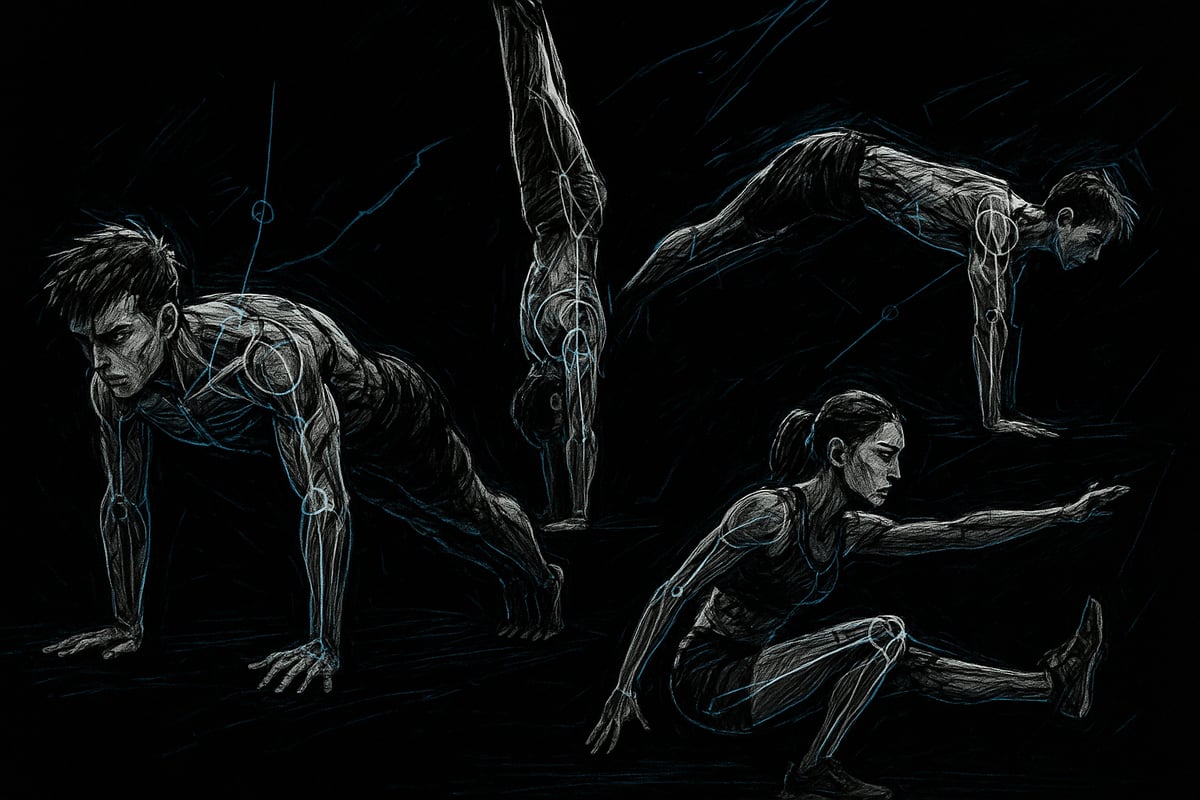
Let’s get brutally honest. Most athletes are stuck in the wrong lane. They chase numbers, ignore movement quality, and treat their bodies like machines—until the breakdown comes. What if you could bulletproof your joints, move like a panther, and build strength that actually transfers to your sport? That’s what a modern athlete strength and conditioning program delivers when it’s built around bodyweight mastery.
Why does this work? Because skill-based bodyweight systems force you to own every inch of your range. No hiding behind a barbell. No shortcuts. You learn to control, stabilize, and adapt—qualities that outdated methods miss entirely.
The data is ruthless. Athletes who switch to bodyweight-centric training report:
Fewer chronic injuries
Longer, more productive careers
Explosive gains in mobility, balance, and functional strength
It’s not hype. It’s biomechanics. When you focus on skills—think handstands, single-arm pushups, dynamic balance—you hardwire movement patterns that protect you under stress. You become the athlete who doesn’t just survive the season, but dominates it.
Want proof? Look at transformation stories everywhere: athletes who ditched the old grind and rebuilt their foundation with skill-based systems. They move better. They recover faster. They win more. The secret? Their athlete strength and conditioning program is built on principles, not just sweat.
The path is clear. If you’re serious about results, stop chasing yesterday’s methods. Start with the fundamentals. Master your body. If you need a blueprint, check out these Bodyweight Strength Training Essentials for foundational moves every athlete should own.
Bottom line: In 2026, only the adaptable thrive. The athlete strength and conditioning program that puts skill, bodyweight, and movement first is your ticket to sustainable mastery. Are you ready to break through?
What to Look for in a Next-Generation Athlete Training Program
Choosing the right athlete strength and conditioning program is the difference between wasted years and real progress. Most athletes settle for cookie-cutter templates, but you need a system that matches the complexity of your goals.
Here’s what separates a next-generation program from the outdated crowd:
Personalization: Your plan should adapt to your sport, body, and schedule.
Progression: Built-in phases for long-term growth, not just a quick peak.
Holistic integration: Strength, mobility, skill, and recovery all in one system.
Feedback loops: Uses data, testing, and real-time adjustments.
Expert guidance: Structured by coaches who live and breathe athletic mastery.
Red flags? Watch for programs that focus only on muscle size or aesthetics, never mention joint health, or refuse to evolve. If you see rigid routines with zero room for customization, run.
Ask yourself: Does this athlete strength and conditioning program prepare me for life, or just the next season? Is it built for sustainability? Look for systems that weave in strength and mobility for lifelong performance, not just short-term gains.
Before you commit, demand answers:
How does this program prevent injury and burnout?
Will it adapt as you grow?
Does it fit your vision for long-term athletic success?
Do not settle for less. The future belongs to athletes who train smarter, not just harder.