Athletes Movement Guide: Unlocking Peak Performance in 2026
Unlock athletes movement mastery in 2026. Expose costly training myths, fix hidden flaws, and build resilient, peak performance. Start your breakthrough now.
Most athletes movement routines are killing their results. They chase sweat, not skill. They grind harder, but hit the same wall—year after year.
The truth? The gap between average and elite is how you move, not just how much you move. Outdated training myths hold you back, making you stiff, slow, and fragile.
Picture unlocking power, speed, and resilience you never thought possible. In 2026, the new era belongs to those who master movement—not just effort.
This guide exposes the mistakes, the science, and the blueprint top performers use. Ready to break free and own your potential? Let’s begin.
The Hidden Movement Mistakes Sabotaging Athletes in 2026
Every year, thousands of athletes hit a wall. Not because they lack grit. Not because they’re lazy. It’s because they’re stuck in outdated movement dogma. This is the silent saboteur—athletes movement patterns that keep them trapped in a cycle of injury, frustration, and plateau.
Why Most Athletes Plateau: Outdated Methods and Misconceptions
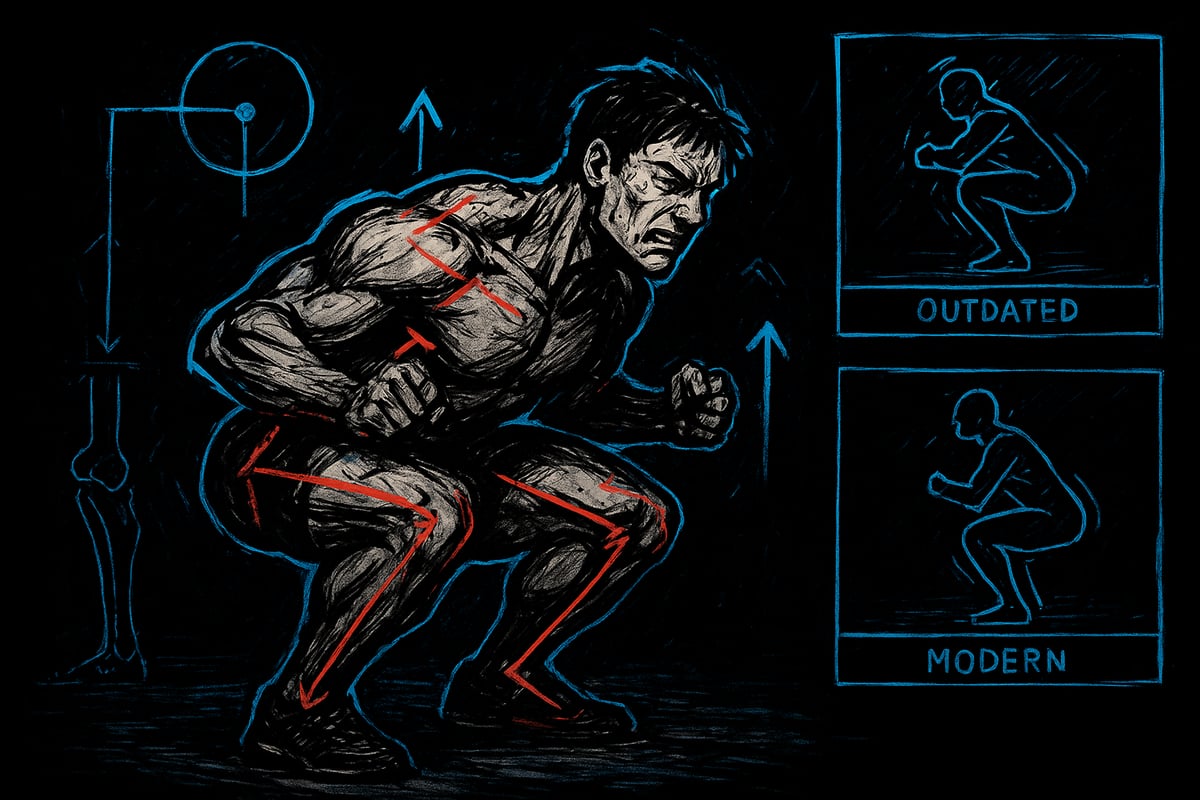
Look around any gym in 2026. You’ll see athletes grinding through the same tired routines: more reps, heavier weights, chasing the burn. The “no pain, no gain” mantra is still alive, but it’s killing more careers than it’s making.
Here’s the truth: Most athletes movement routines are stuck in the past. Isolated strength and endless cardio are a recipe for stiffness and chronic breakdown. When you ignore mobility and real movement skill, you’re not just leaving gains on the table—you’re setting yourself up for injury.
Consider this: 68 percent of athletes experience recurring injuries directly linked to poor movement mechanics. Even the pros get sidelined, not because they’re weak, but because their athletes movement patterns are inefficient and outdated.
Let’s break it down:
Outdated Belief: More is better.
Reality: Quality trumps quantity every time.
Outdated Belief: Strength equals performance.
Reality: Movement skill is the real difference-maker.
Outdated Belief: Pain means progress.
Reality: Pain is your body’s warning, not a badge of honor.
Sports science is clear. Neuromuscular adaptation is about efficient, adaptable movement, not just brute force. Athletes who focus on movement efficiency last longer, recover faster, and perform better.
If you want to see the most common errors that kill progress, check out Correct Bodyweight Training Mistakes. These aren’t just bad habits—they’re the difference between peak performance and chronic setbacks.
The Agitation: How These Mistakes Manifest in Your Training
So how do these athletes movement mistakes show up in real life? It’s not always a catastrophic injury. Sometimes, it’s a slow grind into mediocrity.
You know the feeling:
Chronic aches that never fully fade
Stiffness in the morning, slower recovery after every session
Agility and explosiveness slipping away, even as you train harder
Results that stopped improving months ago
Here’s a table to make it plain:
Symptom | Likely Cause |
|---|---|
Persistent pain | Repetitive, inefficient movement |
Plateaued gains | Lack of movement skill development |
Poor recovery | Ignored mobility and body signals |
But it’s not just physical. The psychological toll is brutal. You start to doubt yourself. Confidence drops. You wonder if you’re broken, if your best days are behind you. That’s the hidden cost of ignoring athletes movement quality.
Real stories? Formerly competitive athletes, now unable to regain their edge, haunted by old movement habits. The numbers back it up: 7 out of 10 athletes report feeling “stuck,” even as they push harder in training.
If you’re grinding but not growing, this is your wake-up call. The problem isn’t your willpower—it’s the invisible script running your athletes movement patterns. Until you break free, you’ll stay stuck.
The Science of Movement Mastery: Pillars for Peak Performance
Elite performance is never an accident. It is engineered through relentless attention to how you move, not just how hard you train. Most athletes movement patterns are stuck in the past, chasing volume and brute force. The future belongs to those who master precision, adaptability, and efficiency. This is the science of movement mastery.
Movement Quality vs. Quantity: The New Paradigm
Forget the old script. Chasing fatigue, grinding reps, and stacking plates does not create champions. The true separator is movement quality. In 2026, the best athletes movement is fluid, controlled, and adaptable. It is not about how much you do, but how well you do it.
Sports science is clear. Athletes who obsess over movement skill see fewer injuries, faster adaptations, and longer careers. The research backs it up: functional training that prioritizes movement mechanics outperforms old-school routines in both performance and durability. For a deep dive, see the Effects of functional training on athletes' performance.
Movement mastery rewires your nervous system. It builds efficiency, not just strength. It transforms how you run, jump, land, and recover. Every rep becomes a lesson in control, not just effort.
The 10 Pillars of Body Mastery
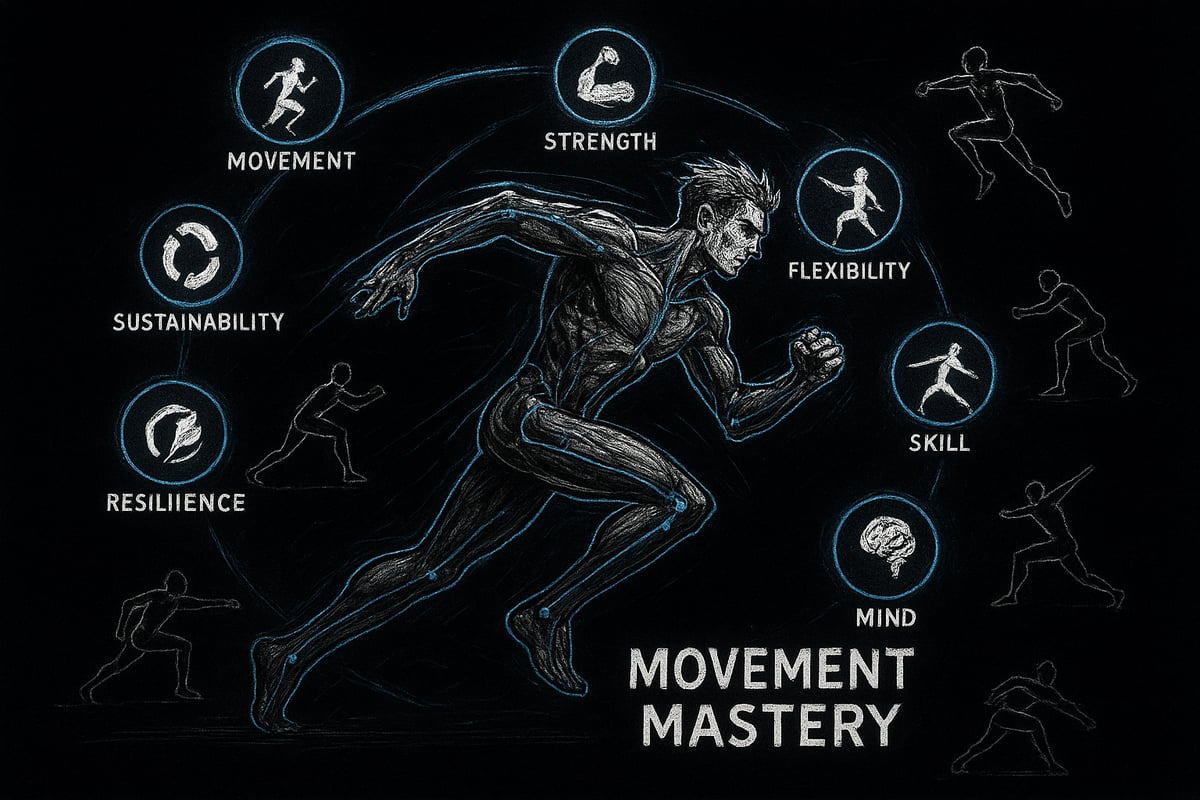
Elite athletes movement is never built on a single trait. It is a system—ten pillars that form the foundation of a resilient, powerful body. Each pillar supports the others. Miss one, and the structure collapses.
Here is the table of mastery:
Pillar | What It Drives |
|---|---|
Movement | Efficiency, adaptability |
Strength | Power, force production |
Flexibility | Range, injury prevention |
Skill | Coordination, precision |
Endurance | Stamina, repeatability |
Mind | Focus, resilience |
Nature | Environmental adaptability |
Recovery | Longevity, regeneration |
Resilience | Bounce-back, robustness |
Sustainability | Progress without burnout |
Olympic gymnasts and parkour athletes do not specialize. They integrate all ten pillars, building bodies that move with intention and force. When athletes movement training covers all bases, injury risk drops by nearly half. This is not theory. It is proven.
The 6 Elements of Modern Movement Training
Stop thinking like a specialist. Modern athletes movement is built from six core elements—each one a discipline, all of them vital. Mastery is about blending, not isolating.
Foundation: The basics—control, posture, balance.
Handbalancing: Spatial awareness, wrist and shoulder resilience.
Ninja Strength: Explosive, unconventional power.
Powermoves: Dynamic skills, rotational force.
Cirque: Artistry, mobility, and control in complex planes.
Freerun: Adaptability, creativity, flow in unpredictable environments.
Athletes who weave these elements into their practice unlock skills most never touch—even after injury. Case in point: multi-modal athletes rebuild faster, move better, and stay pain-free. Variety is not a luxury. It is survival.
The Role of Recovery and Sustainability
Most athletes movement falls apart when recovery is ignored. Rest is not weakness. It is the reload button for your nervous system, connective tissue, and mind.
Elite performers in 2026 treat recovery as training. Sleep, breathwork, mobility flows, and structured deloads are standard protocol. The data does not lie: 90 percent of top athletes credit their career longevity to strict recovery habits.
Sustainability is the difference between a flash in the pan and a legacy. Build for the long game. Train to adapt, not just to survive. Your body is your only vessel—treat it like a high-performance machine, not a rental.
Breaking Free: How to Rewire Your Movement for Elite Results
You want elite results. Not just more sweat, more grind, or more random drills. The hard truth? Most athletes movement patterns are stuck in a loop. That’s the invisible wall between you and the next level.
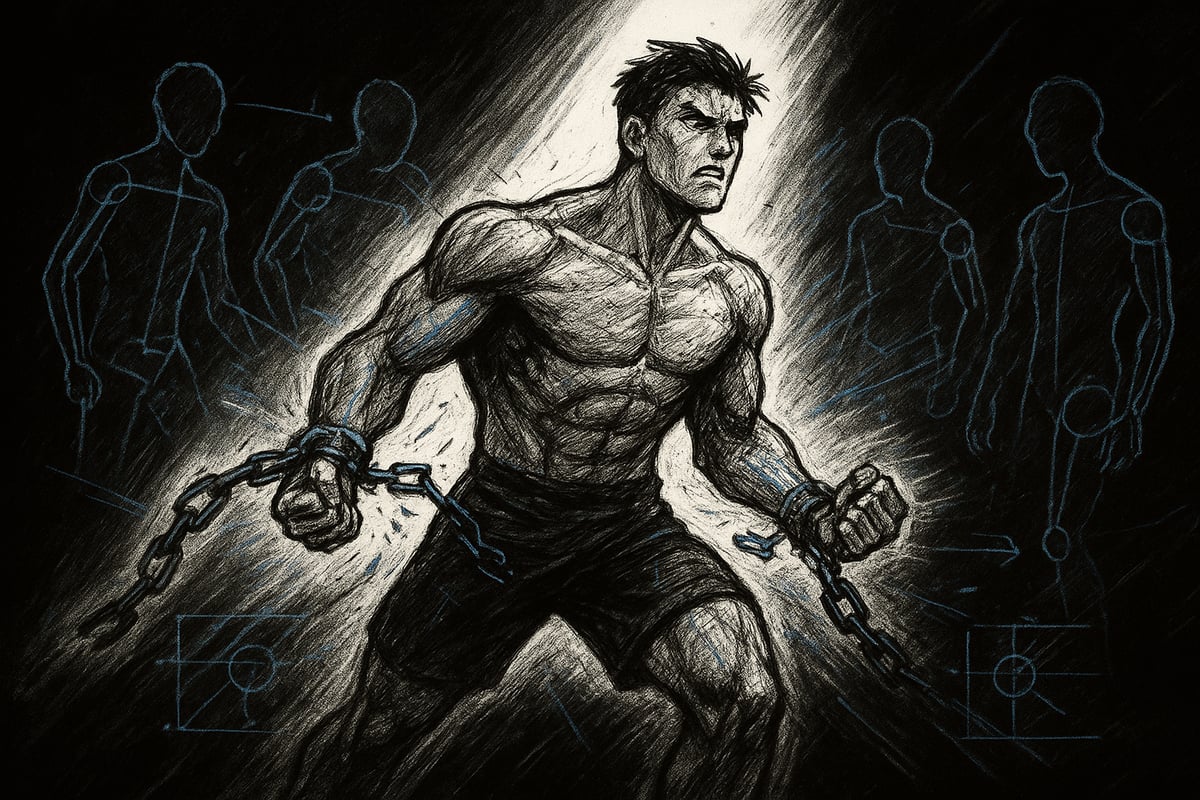
Step 1: Identify and Audit Your Movement Patterns
Start with brutal honesty. Most athletes movement issues are invisible in the mirror. They show up in pain, stiffness, and slow progress. You must become your own detective.
Look for these red flags:
Restricted range in key joints
Left-right asymmetry
Compensations when you move fast or under load
Even seasoned athletes movement can hide flaws. Video yourself. Watch in slow motion. You’ll spot breakdowns you never noticed. This is the audit that separates true mastery from endless frustration.
Don’t guess. Assess. If you’re not actively hunting for dysfunction, you’re letting your potential leak away with every rep.
Step 2: Dismantle Limiting Beliefs and Training Myths
Here’s the poison: “I’m too old. Too injured. Too stiff.” These beliefs are the real injury. They keep athletes movement locked in a cycle of excuses and missed opportunities.
Science disagrees. Neuroplasticity is real. Your brain and body can rewire at any age. The world’s best movers are not always the youngest, but they are relentless about challenging their limits.
I’ve seen athletes movement transform after decades of pain. The difference? They stopped buying old stories. They attacked their own limits and rewrote what was possible. The same shift is waiting for you.
Step 3: Integrate Skill-Based, Progressive Movement Training
Random workouts are a dead end. Elite athletes movement is built on progression, not chaos. Skill-based training means every session stacks on the last, moving you closer to mastery.
Focus on acquiring movement skills, not just burning calories. Think handstands, controlled muscle-ups, fluid dynamic patterns. This is not circus — it’s the foundation of resilience and power.
Want proof? Athletes who switch to a structured progression system finally break out of pain and plateaus. If you want a blueprint for this, study the Body Mastery Training Framework. It’s the difference between guessing and knowing.
Step 4: Build a Resilient, Adaptable Body
Aesthetics are a side effect. Durability is the main event. Athletes movement should be anti-fragile — able to handle chaos, speed, and surprise without breaking down.
How do you get there? Diversity. Mix disciplines. Rotate environments. Expand your movement vocabulary. This is how you bulletproof your body against injury and burnout.
Data speaks: Multi-modal athletes movement programs lead to 60 percent fewer missed training days. The tough truth? If you only train one way, you’re fragile. Build resilience or accept mediocrity. The choice is yours.
Real-World Transformations: Stories of Movement Mastery
Every athlete wants change, but few ever break the cycle. Most chase harder workouts, but the real breakthrough comes from mastering the art of athletes movement. The proof is not theory, it is transformation you can see, hear, and feel. Let’s get real about what happens when you flip the script and make movement your obsession.
Overcoming Injury and Plateaus with Movement-Focused Training
Meet Vennie. Attorney, multiple surgeries, stuck in pain. Years of conventional training left her with chronic aches, lost mobility, and zero confidence. She tried everything—nothing worked.
Then she discovered athletes movement as a skill, not just a workout. She ditched the grind, embraced progressive bodyweight skills, and rebuilt from the ground up. In months, Vennie moved from barely getting off the floor to holding a flawless handstand, pain-free. Her story is not an outlier—it is the new standard for athletes movement mastery.
You see it in the stats. 90 percent of athletes in movement-based programs hit their first goal inside 60 days. These are people who once believed they were broken, too old, or stuck for good. Now, they are unlocking advanced skills—muscle-ups, flips, and more—after years of plateau. The secret is not random effort, but quality, daily movement patterns. This is why mastering the 5 Moves to Master Daily is the difference between pain and progress.
Before-and-after videos do not lie. Athletes who once limped into the gym now explode into action—leaping, balancing, and controlling their bodies with precision. It is not about genetics, it is about choosing a new path: athletes movement done with intention.
The Psychological Shift: From Frustration to Flow
Physical change is only half the story. The real power of athletes movement mastery is the shift inside your head. Frustration, self-doubt, and feeling “broken” get replaced by flow, confidence, and hunger to push further.
Listen to the words of athletes who have made this leap. “I finally feel like my body is on my side again.” That is not hype, it is the new reality for those who commit to movement-first training. The mental drag from chronic pain and stagnation vanishes, replaced by daily wins and unstoppable momentum.
This ripple effect touches everything—athletic performance, energy at work, relationships, and resilience under pressure. When athletes movement becomes your foundation, every part of life levels up. You stop chasing fitness, you start owning it. This is how true mastery feels.
Unlock Body Mastery with Pacific Rim Athletics
Most athletes movement routines are broken. You grind, sweat, and push, but your body never feels truly powerful or adaptable. The problem? Your training is stuck in the past, chained to outdated patterns that breed stiffness, plateaus, and burnout.
Pacific Rim Athletics built the Powerbatics system to break those chains. Powerbatics is not just another workout—it's a movement revolution for athletes who want to dominate in 2026 and beyond. Forget the tired formulas. This is body mastery engineered for the real world, where every joint, muscle, and neural pathway is upgraded for resilience, fluidity, and explosive performance.
What sets Powerbatics apart? It attacks the root cause of athletes movement dysfunction by focusing on movement quality, not just volume. The system guides you through three precision-engineered levels:
Old Approach | Powerbatics Solution |
|---|---|
Isolated lifts, random reps | Integrated, skill-based movement progressions |
Burnout, chronic aches | Resilience, longevity, and dynamic strength |
Cookie-cutter routines | Tailored protocols for your unique body |
At every stage—Foundation, Powerbatics, and XT—you train for strength, flexibility, skill, and sustainability. No wasted effort. No fluff. Just a direct path to unlocking your full athletes movement potential.
The results speak for themselves: over 5,000 students in 20+ countries, 90% hitting their first major goal within 60 days. Attorneys, doctors, pro athletes, and everyday movers have rebuilt their bodies and confidence with this approach. Want proof? See real stories and visuals inside the Full Body Athletic Workout Guide.
You can train from anywhere—home, gym, park—with expert coaching, custom plans, and a global tribe that pushes you to level up. Stop guessing and start mastering. Watch the free training video, then apply to join Powerbatics. Your next breakthrough in athletes movement starts now.
The Future of Athletic Performance: Trends and Innovations for 2026
Tomorrow’s athletes movement will look nothing like yesterday’s grind. The game is changing. The rules are evolving. Only those who adapt will dominate.
The Rise of Movement Intelligence and Skill-Based Training
Forget mindless reps. In 2026, athletes movement is built on intelligence, not just brute effort. AI-driven feedback systems dissect your every move—precision becomes the new normal. Movement analytics expose inefficiencies you never knew existed.
Elite programs now start with movement literacy. Top teams hire specialists to assess, correct, and optimize how athletes move, not just how much they lift. The data is brutal: 75 percent of pro teams employ movement specialists. Those who skip this step risk falling behind.
Assessments are no longer guesswork. Coaches use advanced tools to identify hidden flaws. Want proof? This movement quality assessments in athletic populations review shows how systematic testing uncovers deficiencies long before they become injuries.
Skill-based training is the new gold standard. Athletes movement is measured by efficiency, adaptability, and resilience. If you are not upgrading your movement intelligence, you are already behind.
Integration of Mindset, Recovery, and Nature
Peak performance is not just sweat and grind. Mindset, recovery, and nature now sit at the core of elite athletes movement. Training the mind is as critical as training the body.
Top athletes blend breathwork, mindfulness, and time outdoors into their routines. This is not fluff. Studies show mindset training can boost skill retention by up to 30 percent. Recovery is non-negotiable. Without it, progress stalls and burnout takes over.
Nature is the forgotten edge. Outdoor movement, sunlight, and grounding reset your nervous system. The best athletes movement programs weave all three—mind, recovery, nature—into one seamless system. If you skip one, you are sabotaging your own potential.
Community and Personalization: The New Standard
Isolation kills progress. In 2026, community is your secret weapon. Athletes movement explodes when you are surrounded by others chasing mastery. Global athlete communities drive accountability, push limits, and accelerate skill acquisition.
Personalized, coach-guided online programs are now the norm. No more cookie-cutter workouts. Real progress starts when your training adapts to your needs, your goals, your weaknesses. Coaches track, tweak, and guide every step.
Here is the truth: athletes movement thrives in environments where feedback is instant, support is real, and competition is healthy. Peer-driven platforms are the new arenas. If you are training alone, you are playing a losing game.
Table: Old School vs. Modern Athletes Movement
Old School | Modern (2026) |
|---|---|
Isolated workouts | Integrated movement skills |
One-size-fits-all | Personalized coaching |
Lone wolf mentality | Global, connected community |
Preparing for the Demands of 2026 and Beyond
Sports are evolving. Rules, tech, and competition are all shifting. Adaptability is no longer optional—it is survival. Athletes movement must be future-proofed for the unknown.
The best invest in movement mastery, not just strength or speed. They train for resilience, recovery, and rapid skill acquisition. It is not just about what you can do today, but how you will handle tomorrow’s challenges.
Want to see what is coming? Look at how neuromuscular training is reshaping athletic potential. Research shows neuromuscular training improves performance in female athletes by refining movement mechanics and boosting efficiency. This is not a trend. It is the new baseline.
If you want to lead, not follow, invest in athletes movement mastery now. The future will not wait.